 Engineering Weekly · #5 · Fri, 13 Nov 2026 With Great Agents Comes Great Responsibility | ||||||
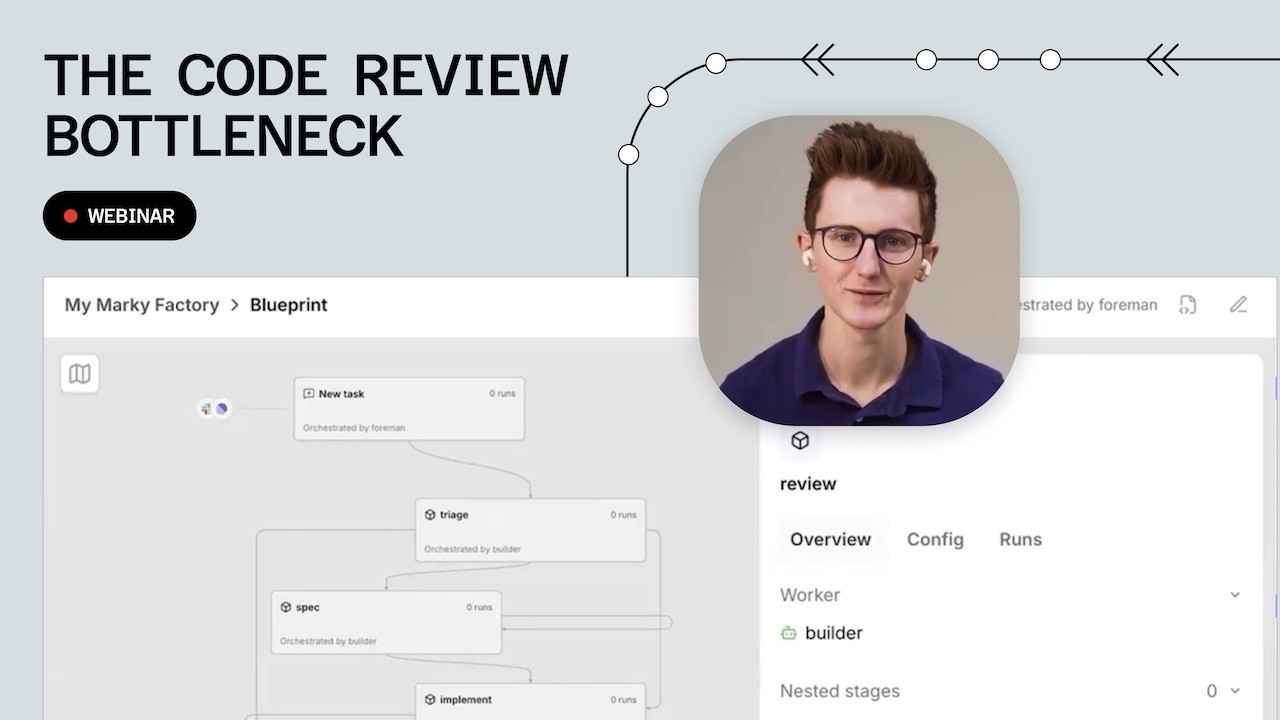
Writing code is becoming the easy part. Knowing what to trust, what to review, and what actually deserves a powerful model? That’s where things get interesting. This week, we’re looking at how Amazon is cutting AI costs, why bugs might become less acceptable, and what pull requests look like when agents do most of the heavy lifting. Plus, a few tools and rabbit holes worth exploring. Enjoy the read! Food for ThoughtArticle  Amazon saves millions by replacing Sonnet 4.6 with Strands Decider Two Amazon engineers swapped Claude Sonnet 4.6 for a decision model in one of the world's biggest internal ticketing systems. Article Worried about AI slop in the code you're dealing with? Wondering how AI agents can help you move faster without leaving a nest of bugs behind? Concerned about… Article  What My Pull Requests Look Like Now As we read less of the code agents write, the pull request becomes what we judge a change by. Mine now say who did what and show that the change works. Here are real ones, what they don't fix, and a skill to do the same. Press PlayVideo  ▶︎ "Nobody's Going to Write the Next React" ft. Armin Ronacher & Mario Zechner - Ep 08 Worth a StarRepo
A desktop VM for agents: wrap's base image + XFCE, shared Chrome, agent-browser and agent-desktop. Containerfile + Smolfile. A little bird told meTweet
There has been a lot a lot of chatter here about getting agents to speak ASD-STE100 being nice but for observability agents BLUF and SBAR for handovers/status updates are very powerfulhttps://t.co/UUe56rdST5https://t.co/ObCqqbYqes Tweet
I just published my weekly reflections: https://t.co/aJyKZp7PTh Infinite papercuts. Absorb or abstain. The Software Reformation. Trust as earned expectation. AI Spandrels. Having to believe to see. Arm's length software. Social vibecoding. The edge of criticality. pic.twitter.com/kHtsEjhxDq | ||||||
| Every Friday, from Arbio Engineering. Found something the team should read? Reply to this email. View in browser · All issues |