 Engineering Weekly · #6 · Fri, 20 Nov 2026 The Art of Not Making a Mess | ||||||
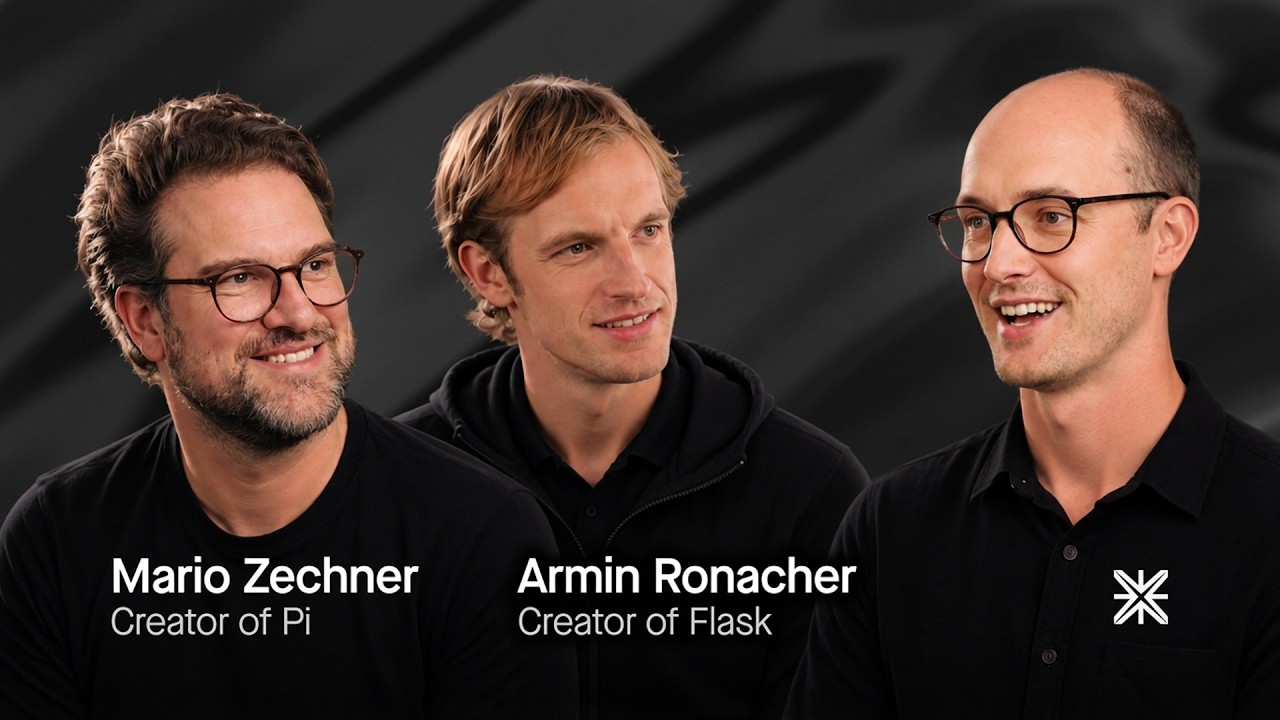
What good is writing software ten times faster if we make it ten times harder to maintain? This week’s edition explores the concept of decoherence in software, the importance of craftsmanship in the age of AI agents, and whether tools like Pi and Effect.ts can help us build better software. Perhaps the most valuable engineering skill in the coming years won’t be knowing how to produce more code, but knowing how to keep it all together. Enjoy the read! Food for ThoughtArticle  The Decoherence Trap: When AI slop drowns out the signal in an endless sea of noise Of all the forms of tech debt, decoherence is the worst. It compounds exponentially with a system's rate of change, and AI is now producing it faster than ever, leading us deeper and deeper into the abyss... Press PlayA little bird told meTweet
In January, almost every PR at Linear had a second human reviewer. By October, 53% were reviewed by an agent and the author alone. We’ve become more deliberate about where human attention goes. Here’s what we’ve learned: https://t.co/PTJp6Hrezy pic.twitter.com/xw8AXxAigT Tweet
A new pattern in agentic engineering is becoming common now. More and more people talk to one coordinator agent instead of a group of agents spread across different machines. I do it too. I have a chief of staff session that talks to all my other Claude sessions. Everybody is… pic.twitter.com/ERqCaDUSo0 Tweet
Curious how engineering teams running multiple coding agents are handling decisions made across people, sessions, and tools. For example: an architectural decision gets made in a meeting or one engineer’s Claude Code session, then another engineer’s agent makes a change that… | ||||||
| Every Friday, from Arbio Engineering. Found something the team should read? Reply to this email. View in browser · All issues |